
Embarking on a healthier lifestyle doesn’t mean giving up comfort food or spending hours in the kitchen. In fact, some of the most nourishing meals are also the simplest—and that’s exactly where chillas shine.
If you’ve ever craved something warm, satisfying, and homemade that still aligns with your wellness goals, chillas might just become your new best friend. Often described as savory pancakes, chillas are a staple in many Indian households and are slowly gaining global recognition for their versatility, nutrition, and irresistible taste.
Unlike sweet pancakes loaded with refined flour and sugar, chillas are made from wholesome ingredients like lentils, millets, oats, and vegetables. They’re thin, lightly crisp on the edges, soft in the center, and incredibly customizable. Whether you enjoy them for breakfast, lunch, dinner, or even as a healthy snack, chillas effortlessly fit into a balanced lifestyle.
In this article, we’ll explore five delicious and healthy types of chillas, understand why they’re such a smart dietary choice, and learn how to make them even better with simple tweaks. Let’s dive into the delicious world of chillas.
What Makes Chillas So Special?
Chillas are more than just quick meals—they’re a smart combination of taste and nutrition. At their core, chillas are made by mixing flour or soaked lentils with water and spices, then cooking the batter on a pan with minimal oil. The result is a dish that is:
- Naturally plant-based
- Easy to digest
- High in fiber and protein (depending on ingredients)
- Free from heavy processing
- Customizable for different dietary needs
The beauty of chillas lies in their adaptability. You can make them gluten-free, vegan, protein-rich, or vegetable-loaded without compromising on flavor.
1. Besan Chilla – The Classic Comfort Favorite
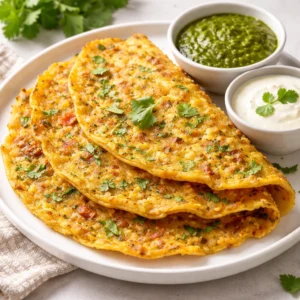 When people think of chillas, besan chilla often comes to mind first. Made from gram flour (chickpea flour), this version is a timeless favorite across generations.
Why Besan Chilla Works
Besan is made from ground chickpeas, a legume known for its fiber and plant protein content. This makes besan chillas filling and satisfying, helping you stay energized for longer.
Taste & Texture
Besan chillas have a mildly nutty flavor and cook beautifully into thin pancakes with crisp edges. They pair exceptionally well with mint chutney or plain yogurt.
How to Prepare
Mix besan with water until smooth. Add:
- Finely chopped onions
- Green chilies
- Carom seeds (ajwain)
- Salt and spices of choice
Cook on a non-stick pan using minimal oil.
Healthy Tip
Use a brush or spray to apply oil lightly instead of pouring it directly. This keeps the chilla lighter without affecting taste.
2. Moong Dal Chilla – Light, Protein-Rich & Comforting
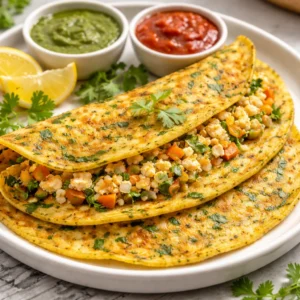 If you’re looking for something easy on the stomach yet nourishing, moong dal chilla is an excellent choice.
Why Moong Dal Chilla Is Popular
Yellow moong dal is known for being gentle on digestion and rich in protein. It’s often recommended in light meals and recovery diets.
Flavor Profile
Moong dal chillas have a mild, slightly sweet flavor that makes them versatile enough for stuffing or topping.
Preparation Method
- Soak yellow moong dal for a few hours
- Blend into a smooth batter
- Add ginger, cumin, and green chili
Serving Ideas
Stuff your chilla with:
- Crumbled paneer
- Sautéed vegetables
- Tofu for a plant-based option
This transforms a simple chilla into a complete, hearty meal.
3. Oats Chilla – Fiber-Packed Modern Favorite
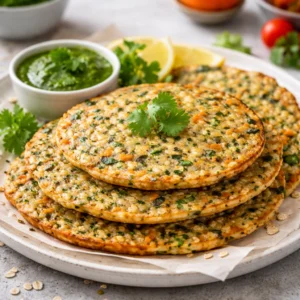 Oats aren’t just for porridge anymore. Oats chilla is a modern twist that combines convenience with nutrition.
Why Oats Chilla Is a Smart Choice
Oats are rich in soluble fiber, particularly beta-glucan, which supports heart health and helps keep you full.
Taste & Texture
Oats chillas have a slightly chewy texture and work beautifully with crunchy vegetables mixed into the batter.
How to Make It
- Grind oats into a coarse flour
- Mix with yogurt or water
- Add grated carrots, spinach, or zucchini
Why You’ll Love It
This chilla feels indulgent but keeps your meal balanced—perfect for busy mornings or light dinners.
4. Spinach and Suji Chilla – Green, Fresh & Vibrant
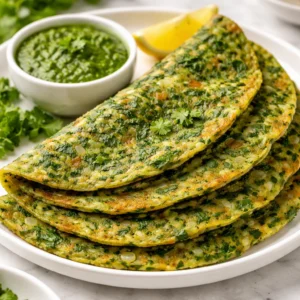 If eating greens feels boring, this chilla might change your mind. Spinach and suji chilla combines nutrition with visual appeal.
Nutritional Highlights
Spinach is packed with vitamins, minerals, and antioxidants, while suji adds structure and softness.
Visual Appeal
The natural green color instantly makes your plate more inviting—especially for kids or picky eaters.
Preparation Tip
Allow the batter to rest for 10–15 minutes before cooking. This improves texture and ensures even cooking.
Best Pairings
Serve with coriander chutney or plain yogurt for a refreshing contrast.
5. Ragi Chilla – Ancient Grain, Modern Nutrition
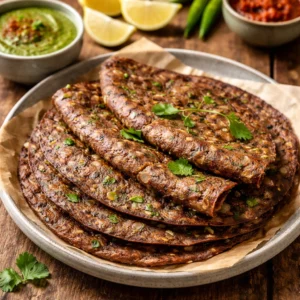 Ragi chilla is a powerhouse option rooted in traditional wisdom. Ragi (finger millet) has been consumed for centuries and is now making a comeback in healthy diets.
Why Ragi Deserves Attention
Ragi is rich in calcium, fiber, and essential minerals, making it a great choice for bone health and sustained energy.
Flavor Profile
It has a slightly earthy, nutty taste that pairs beautifully with tangy or spicy chutneys.
How to Enjoy It
Ragi chillas are especially satisfying when served hot and fresh. Adding onions or herbs enhances their flavor without overpowering the grain.
Why Chillas Fit Perfectly into a Healthy Lifestyle
Chillas are not a fad food—they’re practical, sustainable, and nourishing. Here’s why they deserve a permanent spot in your meal rotation:
1. Versatility
You can switch flours, add seasonal vegetables, and experiment with spices, ensuring meals never feel repetitive.
2. Nutrient Density
From legumes and millets to leafy greens and oats, chillas can deliver a wide range of nutrients in a single dish.
3. Quick Preparation
Most chilla batters come together in minutes, making them ideal for busy mornings or quick dinners.
4. Portion Control
Their thin structure helps prevent overeating while still feeling satisfying.
How to Make Your Chillas Even Healthier
Small changes can make a big difference:
Use minimal oil and prefer non-stick pans
Add more vegetables to increase fiber and volume
Pair with healthy sides like yogurt or homemade chutneys
Avoid processed sauces and sugary dips
Making Mindful Food Choices
Healthy eating isn’t about restriction—it’s about choosing foods that nourish your body and make you feel good. Chillas offer comfort, flavor, and balance in one simple dish. They remind us that traditional foods often hold the key to modern wellness.
So the next time you’re unsure what to cook, reach for a bowl, mix up a batter, and let chillas bring warmth and nourishment to your plate.
What are your favorite ingredients to add to chillas? Share your ideas and variations in the comments—we’d love to hear from you!
References
Indian Council of Medical Research (ICMR) – Dietary Guidelines for Indians
Harvard T.H. Chan School of Public Health – Whole Grains and Fiber