

Eid without halwa feels incomplete—like a celebration missing its sweetest moment. It’s that one dish that instantly brings warmth, nostalgia, and a sense of togetherness. From childhood memories of sneaking spoonfuls straight from the pan to watching elders carefully roast ingredients to perfection, halwa is more than just dessert—it’s emotion.
But let’s be honest. After a full day of indulging in biryani, kebabs, and sugary treats, that “food coma” hits hard. You’re sitting there, half asleep, wondering if you’ve eaten too much (again). The rich, ghee-loaded halwa you love suddenly feels a little… overwhelming.
Now here’s the good news: you don’t have to give up halwa to feel good.
What if you could enjoy a version that’s just as rich, just as satisfying—but lighter, quicker, and actually nourishing? No bland substitutes. No compromise on taste. Just smarter, healthier twists on a beloved classic.
This Eid, we’re giving halwa a glow-up. Think modern ingredients, faster cooking, and flavors that still feel deeply traditional. Whether you’re cooking for family, guests, or just yourself (no judgment here), these ideas will keep your festive spoon happy—and your body too.
1. The Guilt-Free Powerhouse: Makhana (Fox Nut) Halwa
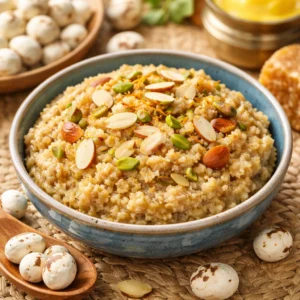 If you haven’t tried makhana yet, you’re seriously missing out. These light, crunchy fox nuts are often enjoyed as snacks, but when transformed into halwa, they become something incredibly rich and satisfying.
Why it works
Unlike traditional halwas made from refined flours, makhana is naturally gluten-free and high in protein. It’s light on the stomach but still gives that comforting, creamy texture we all crave.
Quick method
Instead of roasting for ages, simply dry roast makhana for a few minutes until crisp. Let them cool, then grind into a soft powder. This becomes your instant “halwa base.”
Heat a small amount of ghee, add the powder, stir briefly, and pour in warm milk. Within minutes, it thickens into a smooth, velvety halwa.
Healthy twist
Swap white sugar for jaggery powder. It adds a deep, caramel-like sweetness that feels richer and more natural.
Flavor tip
A pinch of cardamom and a handful of crushed almonds elevate this halwa instantly. It’s so light, you might even consider it a breakfast option—and honestly, that’s not a bad idea.
2. Breakfast Meets Dessert: Oats and Date Halwa
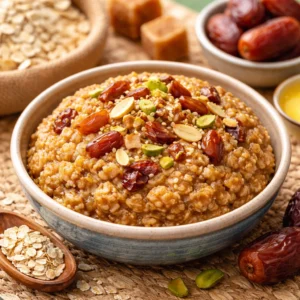 Oats don’t have to be boring. When paired with dates and milk, they turn into a warm, chewy halwa that feels indulgent but is secretly packed with nutrition.
Why it works
Oats are rich in fiber, which helps keep you full longer and prevents sudden sugar crashes. Dates, on the other hand, bring natural sweetness and a soft, sticky texture.
Quick method
Dry roast rolled oats until they release a nutty aroma. Add milk and let them soften. Then mix in blended date paste and cook until thick.
Healthy twist
Skip refined sugar entirely. Dates do the job beautifully while also adding iron and essential minerals.
The experience
This halwa feels comforting—like a warm hug in a bowl. It’s perfect for kids, elders, or anyone who wants something sweet without feeling heavy afterward.
3. The Ancient Grain Comeback: Foxtail Millet Badam Halwa
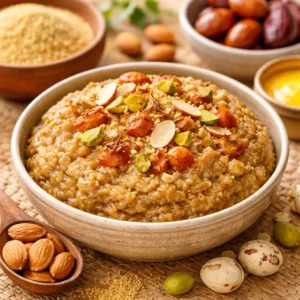 Millets are making a strong comeback, and for good reason. They were once staples in traditional diets, and now they’re being rediscovered as nutritional powerhouses.
Why it works
Foxtail millet has a lower glycemic index compared to semolina, meaning it doesn’t spike blood sugar as quickly. It’s ideal for those who want to enjoy sweets more mindfully.
Quick method
Use millet flour to save time. Roast it lightly in a bit of ghee until fragrant. Add milk and stir until it thickens.
Richness factor
Blend soaked almonds into a paste and mix it in. This creates a creamy, luxurious texture without needing heavy cream or condensed milk.
Final result
You get a halwa that feels royal and festive, yet surprisingly light and nourishing.
4. The Sneaky Star: Sweet Potato (Shakarkandi) Halwa
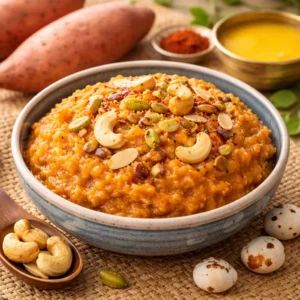 We all love carrot halwa, but sweet potato deserves just as much attention. It’s naturally sweet, soft, and incredibly easy to work with.
Why it works
Sweet potatoes already have a built-in sweetness, so you don’t need much added sugar. Plus, they’re packed with vitamins and fiber.
Quick method
Boil or pressure cook sweet potatoes until soft. Mash them and sauté in a little ghee. Add milk, a touch of jaggery, and cook until smooth.
Flavor upgrade
Infuse your milk with saffron before adding it in. This simple step transforms the dish into something that tastes truly special.
Health bonus
You’re getting vitamin A, potassium, and energy—all in one delicious spoonful.
5. The Cooling Classic: Bottle Gourd (Lauki) Halwa 2.0
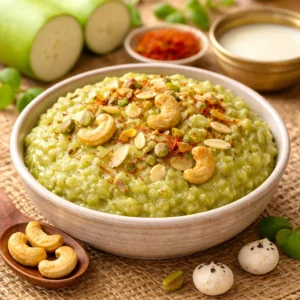 Lauki halwa is often underrated, but it’s one of the best options for a festive day filled with heavy food.
Why it works
Bottle gourd is hydrating, light, and easy to digest. It balances out the richness of other Eid dishes.
Quick method
Grate lauki finely and cook it quickly using a pressure cooker method to retain nutrients and color. Then sauté lightly with milk and a bit of ghee.
Healthy twist
Use skimmed milk or almond milk for a lighter or vegan version.
The result
A refreshing halwa that doesn’t weigh you down—and actually helps your digestion after a big meal.
Why Halwa Doesn’t Have to Be “Unhealthy”
For years, sweets have been labeled as something to avoid. But the truth is, it’s not about avoiding—it’s about adapting.
Halwa, in its essence, is simple: a base ingredient, a sweetener, and a fat source. By tweaking these components, you can create versions that are both delicious and nourishing.
Instead of refined sugar, use natural sweeteners like jaggery or dates.
Instead of refined flours, choose oats or millets.
Instead of excess ghee, use just enough for flavor.
These small changes don’t take away from tradition—they enhance it.
Because food isn’t just fuel. It’s culture, memory, and celebration.
Smart Tips to Keep Your Halwa Healthy (and Delicious)
1. Prep Ahead
Roast ingredients like makhana or millet flour a day before Eid. It saves time and reduces stress during cooking.
2. Upgrade Your Garnish
Instead of fried cashews, try pumpkin seeds, walnuts, or pistachios. They add crunch without unnecessary heaviness.
3. Control Portions
Serve halwa in small bowls or shot glasses. It looks elegant and helps you enjoy without overindulging.
4. Balance Your Plate
Pair your halwa with lighter meals during the day to maintain balance.
Frequently Asked Questions
Can I make these halwas vegan?
Yes! Replace dairy milk with almond, coconut, or oat milk, and use coconut oil instead of ghee.
How long can I store healthy halwa?
Most versions stay fresh in the refrigerator for 3–5 days when stored in an airtight container.
Is jaggery better than sugar?
Jaggery contains trace minerals like iron and potassium, making it a more nutritious alternative to refined sugar.
Which halwa is the fastest to make?
Makhana halwa is the quickest—especially if you prepare the powder in advance.
Can I use frozen ingredients?
Fresh is always better for texture, but frozen vegetables can work if you remove excess moisture.
Final Thoughts: A Sweeter, Smarter Eid
Eid is about joy, connection, and celebration—and food plays a huge part in that. You don’t have to give up your favorite treats to feel good. With a few smart changes, you can enjoy every bite without the heaviness that usually follows.
So this year, let your halwa reflect balance.
A little tradition.
A little innovation.
And a whole lot of flavor.
Eid Mubarak—may your days be joyful and your desserts just the right kind of sweet.
References