
Let’s not sugarcoat it.
If you’re here, your feet probably feel like they’ve gone through a full-blown identity crisis—somewhere between “functional body part” and “overworked construction material.”
They ache. They throb. They burn. And by the end of the day, they’re silently plotting revenge against you.
Whether you’re a nurse racing through hospital corridors, a teacher pacing back and forth, a retail worker surviving long shifts, or a hairstylist rooted to one spot for hours—you’re living a life where standing isn’t optional. It’s survival.
But here’s the uncomfortable truth:
We take care of everything… except the very thing carrying our entire life.
We invest in skincare, haircare, self-care—but foot care? That’s usually ignored until pain forces attention.
And that right there is where most people fail.
Because when your feet fail, everything else follows.
Your posture collapses.
Your energy drains.
Your mood shifts.
Your productivity drops.
Your life quite literally feels heavier.
So instead of waiting for that breaking point, let’s flip the script.
Let’s turn your “concrete feet” into something lighter… something stronger… something that can actually support the life you’re building.
1. The Shoe Intervention: Where Most People Fail First
Let’s start with the biggest mistake.
Choosing style over support.
Yes, those flats look cute.
Yes, those shoes match your outfit.
But if they lack support, they’re slowly sabotaging your life—step by step.
When you stand all day, your body weight constantly presses down on your arches. Without proper support, those arches collapse over time. That’s not just discomfort—it’s structural failure.
And once your foundation fails, everything else follows.
What to Do Instead:
- Look for shoes with arch support and cushioning
- Avoid completely flat soles
- Choose breathable materials to reduce sweat and friction
- If required to wear specific shoes, invest in orthopedic insoles
Think of it this way:
You wouldn’t build a house on weak foundations—so why do it to your body?
2. Compression Socks: The Underrated Life Upgrade
Let’s address the stigma.
Compression socks are not “old people gear.”
They are survival tools for modern life.
When you stand for long hours, blood naturally pools in your lower legs. That’s why your feet feel swollen and heavy by mid-day.
Compression socks gently push that blood back upward—improving circulation and reducing fatigue.
What Changes You’ll Notice:
- Less swelling
- Reduced heaviness
- More energy at the end of the day
It’s a small change… but one that prevents a big failure in your daily routine.
3. The Tennis Ball Trick: Reset Your Feet Daily
You don’t need luxury to take care of yourself.
Sometimes, all it takes is a simple tennis ball.
After a long day, your plantar fascia—the tissue under your foot—becomes tight and inflamed. That tension builds up quietly until it turns into serious pain.
Rolling your foot over a ball releases that tension instantly.
How to Do It:
- Sit comfortably
- Place a tennis ball under your foot
- Roll slowly for 5–10 minutes
This isn’t just relaxation.
It’s maintenance for a system that supports your entire life.
4. Elevation: The Simplest Way to Reverse the Day
After standing all day, your body needs the opposite.
Stillness.
And elevation.
Lying down with your legs up against a wall might look simple—but it’s powerful.
It helps drain fluid buildup, reduce swelling, and reset your circulation.
Why It Matters:
Ignoring swelling day after day leads to long-term fatigue and discomfort. Eventually, that neglect turns into failure—physically and mentally.
Give your body those 10–15 minutes.
It’s not laziness.
It’s recovery.
5. The Epsom Salt Soak: Recharge Your Life
There’s a reason this method has survived generations.
It works.
Warm water relaxes your muscles. Epsom salt helps ease tension and inflammation. Together, they create a reset your feet desperately need.
Simple Routine:
- Warm water (not too hot)
- Half a cup of Epsom salt
- Optional: a few drops of peppermint oil
This isn’t just about comfort.
It’s about preventing burnout—because when your body feels better, your life feels manageable again.
6. Moisture Matters More Than You Think
Dry, cracked heels don’t just look rough—they hurt.
Standing all day creates friction. Friction leads to dryness. Dryness leads to cracks.
And cracks?
They turn into pain you can’t ignore.
The “Sock Trick”:
- Apply thick moisturizer before bed
- Wear cotton socks overnight
This locks in hydration and restores your skin while you sleep.
It’s one of the simplest ways to avoid a slow, painful failure in your foot health.
7. Ice Bottle Roll: For When Your Feet Feel Like Fire
Some days are worse than others.
Some days, your feet don’t just ache—they burn.
That burning sensation is inflammation. And ignoring it only makes things worse.
Quick Fix:
- Freeze a water bottle
- Roll your foot over it for 10 minutes
This combines massage and cold therapy—reducing swelling and numbing pain.
It’s fast. It’s effective. And it can save your evening.
8. Rotate Your Shoes: Stop Killing Their Support
Wearing the same shoes every day is a hidden mistake.
Shoes need time to recover—just like you do.
When worn daily, the cushioning doesn’t bounce back. Over time, it loses its ability to protect your feet.
Solution:
- Rotate between at least two pairs
- Allow 24 hours for each pair to decompress
This small habit can extend the life of your shoes—and prevent a major failure in support.
9. Nail Care: Small Mistakes, Big Problems
Ingrown toenails are more than annoying—they’re painful and disruptive.
And most of the time, they happen because of improper trimming.
Golden Rule:
- Cut nails straight across
- Avoid digging into corners
This prevents pressure-related pain when wearing shoes all day.
Sometimes, it’s the smallest habits that protect your daily life.
10. Toe Spreaders: Give Your Feet Their Freedom Back
Your toes spend hours cramped inside tight shoes.
Over time, that restriction leads to misalignment and discomfort.
Toe spreaders help reverse that damage.
- Restores natural toe alignment
- Reduces pressure
- Improves balance and stability
Just 15–20 minutes a day can make a noticeable difference.
Why Foot Care Is Not Optional
Here’s the reality most people ignore:
Foot pain doesn’t stay in your feet.
It travels.
To your knees.
To your back.
To your posture.
To your energy.
And eventually, into your mindset.
When your body is in constant discomfort, your patience shortens. Your focus drops. Your mood changes.
Your life feels heavier—not because it is, but because your foundation is failing.
And that’s why foot care is not luxury.
It’s survival.
Final Thoughts: Build a Life That Supports You Back
You work hard.
You show up every day.
You push through exhaustion.
You keep going even when your body says stop.
But strength isn’t just about endurance.
It’s about knowing when to take care of yourself—before failure forces you to.
Your feet carry your entire life.
Every step. Every shift. Every responsibility.
So give them what they deserve.
Because when your foundation is strong…
Your life feels lighter.
And suddenly, you’re not walking on concrete anymore.
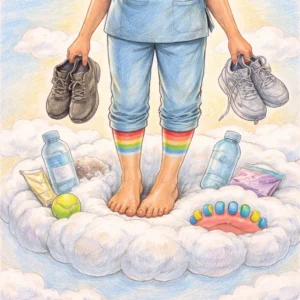
You’re walking on clouds.
References