
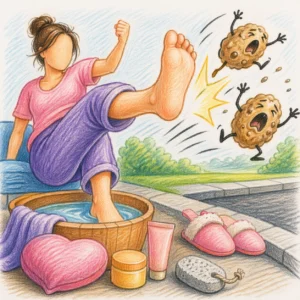
Our feet don’t ask for much—but they do everything. They carry us through long grocery runs, rushed mornings, endless work shifts, and those “just one more song” dance floor moments. And yet, we rarely give them attention… until they start protesting.
And when they do? They don’t whisper—they scream.
Often, that discomfort shows up as Corns and Calluses—those stubborn patches of thick skin that make every step feel like you’re walking on something you didn’t sign up for. If you’ve ever felt like there’s a tiny pebble stuck in your shoe (even when there isn’t), or noticed rough patches that refuse to soften, you’re definitely not alone.
The good news? These foot frustrations are incredibly common—and even better, they’re manageable.
So let’s break it all down in a way that actually makes sense, minus the complicated jargon. By the end of this guide, you’ll know exactly how to treat, prevent, and confidently care for your feet.
Meet the Culprits: Corns vs Calluses
Calluses: Your Skin’s Bodyguard
Calluses are thick, wide patches of skin that develop over time due to repeated pressure or friction.
- Where they appear: Soles, heels, or balls of the feet
- Texture: Rough, dry, slightly yellowish
- Pain level: Usually painless
Think of calluses as your body saying, “I’ve got this—let me protect you.” They act like natural armor, especially if you spend a lot of time on your feet.
Corns: Small but Dramatic
Corns are smaller but deeper and much more sensitive.
- Where they appear: Toes (tops, sides, or between them)
- Texture: Hard center with inflamed skin around it
- Pain level: Can be quite painful
If calluses are quiet protectors, corns are the loud complainers. They make their presence known with every step.
Why Do Corns and Calluses Happen?
Let’s get one thing straight—this isn’t your skin betraying you. It’s actually trying to help. Corns and Calluses form when your skin experiences repeated pressure or friction.
Here are the most common reasons:
1. Shoes That Look Good but Feel Terrible
Yes, we’re calling them out. Tight shoes squeeze your toes, while loose shoes cause friction. High heels? They push pressure onto the front of your feet.
2. Skipping Socks
Socks are more than just accessories—they reduce friction. Without them, your feet and shoes are basically in a constant battle.
3. The Way You Walk
Everyone’s walking pattern is different. Sometimes your natural stride puts more pressure on certain areas.
4. Long Hours on Your Feet
If your job or lifestyle keeps you standing all day, your feet adapt by thickening the skin to handle the stress.
The At-Home Rescue Plan
You don’t need a clinic visit for most cases. With consistency and care, you can manage Corns and Calluses right at home.
Step 1: Soften First, Always
Start with a warm soak.
- Use warm water with mild soap
- Add Epsom salt or a splash of apple cider vinegar
- Soak for 10–15 minutes
This softens the hardened skin, making it easier to treat.
Step 2: Gentle Exfoliation
Once your skin is soft:
- Use a pumice stone or foot file
- Apply gentle, circular motions
- Don’t overdo it
This is not a one-day fix—it’s a gradual process.
Step 3: Deep Moisturizing
This is where real transformation happens.
Look for ingredients like:
- Urea
- Salicylic acid
- Ammonium lactate
These help break down thickened skin over time.
Pro tip: Apply a thick layer of moisturizer before bed, wear cotton socks overnight, and let your feet repair while you sleep.
Prevention: Keep Them From Coming Back
Once you’ve softened your skin, prevention becomes your best friend.
Choose the Right Shoes
- Shop in the evening when feet are slightly swollen
- Make sure there’s space to wiggle your toes
- Avoid constant use of high heels or tight shoes
Use Protective Padding
If certain spots are prone to friction, use:
- Non-medicated corn pads
- Moleskin cushions
Maintain Foot Hygiene
- Keep nails trimmed
- Moisturize regularly
- Exfoliate weekly
What NOT to Do
Let’s save you from making things worse.
❌ Don’t Cut Them Yourself
No scissors, no razors—this can lead to infections and long-term damage.
❌ Don’t Ignore Pain
If a corn becomes very painful, it’s time to take it seriously.
❌ Be Careful with Medical Conditions
If you have Diabetes or poor circulation, avoid home treatment and consult a professional.
When Should You See a Doctor?
If your corns and calluses:
- Keep coming back
- Become painful
- Show redness or swelling
It’s best to consult a podiatrist. Sometimes underlying issues like foot structure or gait need professional care.
A Little Perspective (and Self-Care)
Here’s something worth remembering: Corns and Calluses aren’t flaws—they’re signs that your feet are working hard for you.
But that doesn’t mean you have to live with discomfort.
Taking care of your feet is not just about appearance—it’s about how you feel every single day. When your feet are comfortable, your entire mood shifts. You walk better, stand taller, and move through life with ease.
So tonight? Consider this your sign.
Run that warm foot soak.
Take a few quiet minutes.
Give your feet the attention they’ve been patiently waiting for.
Final Thoughts
Caring for Corns and Calluses doesn’t require expensive treatments or complicated routines. It’s about consistency, awareness, and a little bit of self-kindness.
Your feet carry your entire world—taking care of them is one of the simplest ways to take care of yourself.
References