
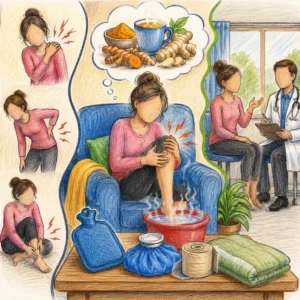
Getting older can sometimes feel like becoming your own personal weather station. One day your knees predict rain, your shoulders complain about the cold, and your ankles suddenly sound like bubble wrap every time you stand up.
If you’re dealing with joint pains, you’re definitely not alone. Millions of people experience aching knees, stiff fingers, sore hips, or painful shoulders every single day. Sometimes the pain is mild and annoying. Other times, it can make simple tasks like climbing stairs, opening jars, or even getting out of bed feel exhausting.
The good news? Not all joint pains are serious, and many can be managed naturally at home with a few simple lifestyle changes and DIY remedies. The key is understanding what type of pain you’re experiencing, what your body is trying to tell you, and when it’s time to stop Googling remedies and call a doctor instead.
So grab a cup of ginger tea, settle into your favorite chair, and let’s talk about how to keep your joints happier, healthier, and moving smoothly again.
What Are Joint Pains?
Joint pains happen when one or more joints in the body become inflamed, stiff, swollen, or irritated. Joints are the places where your bones connect, such as your knees, hips, shoulders, wrists, elbows, and fingers.
Joint pains can affect people of all ages. They may appear after an injury, intense exercise, poor posture, aging, or certain health conditions like arthritis.
Some people feel pain only occasionally, while others experience chronic discomfort that sticks around for months or years.
The most common symptoms include:
- Stiffness
- Swelling
- Aching or throbbing
- Clicking sounds
- Reduced flexibility
- Warmth or redness
- Sharp pain during movement
Sometimes joint pains come and go. Other times they become part of daily life if left untreated.
Different Types of Joint Pains
Not all joint pains feel the same. Understanding the “flavor” of your pain can help you choose the right treatment.
1. The “I Overdid It” Ache
This is the classic weekend-warrior pain.
Maybe you spent six hours gardening, cleaned the entire house in one day, or decided to exercise like an athlete after months of sitting comfortably on the couch. Now your knees, shoulders, or wrists are protesting loudly.
This type of joint pain is usually caused by overuse or temporary inflammation.
Common signs:
- Mild swelling
- Soreness after activity
- Pain that improves with rest
- Tender muscles around the joint
DIY treatment:
- Rest the area
- Apply ice packs
- Avoid heavy activity for a few days
- Stretch gently
Usually, this kind of joint pain improves within a week.
2. The “Rusty Gate” Stiffness
Do your joints feel stiff every morning?
Do your knees sound like an old wooden staircase when you stand up?
This type of joint pain is common with aging and arthritis. It often feels worse after long periods of sitting or sleeping but improves once you start moving.
Common signs:
- Morning stiffness
- Cracking sounds
- Limited flexibility
- Pain during weather changes
DIY treatment:
- Warm showers
- Heating pads
- Gentle stretching
- Daily movement
Think of your joints like door hinges. They need regular movement and lubrication to work properly.
3. The “Angry Hornet” Pain
This pain is sharp, sudden, hot, and impossible to ignore.
It may happen because of a sprain, gout, injury, or inflammation flare-up.
Common signs:
- Redness
- Swelling
- Burning sensation
- Difficulty walking
- Sudden intense pain
DIY treatment:
- Ice immediately
- Elevate the joint
- Rest completely
- Avoid pressure
If this type of joint pain becomes severe or lasts longer than a few days, medical attention may be necessary.
4. Arthritis-Related Joint Pains
Arthritis is one of the biggest causes of chronic joint pains worldwide.
The two most common types are:
Osteoarthritis
This happens when the protective cartilage in your joints slowly wears down over time.
Rheumatoid Arthritis
This is an autoimmune condition where the immune system attacks the joints.
Symptoms include:
- Swelling
- Persistent stiffness
- Pain in multiple joints
- Fatigue
- Reduced movement
Arthritis-related joint pains often need long-term management, including exercise, weight control, and medical guidance.
Common Causes of Joint Pains
Joint pains can develop for many reasons, including:
- Aging
- Obesity
- Injuries
- Poor posture
- Repetitive movements
- Lack of exercise
- Arthritis
- Gout
- Vitamin deficiencies
- Autoimmune diseases
- Infections
Even stress can sometimes worsen joint pains because tension affects muscles and inflammation levels.
DIY Home Remedies for Joint Pains
Many people find relief from joint pains using simple remedies at home. While these treatments may not cure serious conditions, they can greatly reduce discomfort.
1. Follow the PRICE Method
PRICE stands for:
- Protect
- Rest
- Ice
- Compress
- Elevate
This method works especially well for fresh injuries or swollen joints.
How to do it:
- Protect the joint from further strain
- Rest for 24–48 hours
- Ice for 20 minutes at a time
- Use compression wraps if needed
- Elevate above heart level
It’s simple but extremely effective.
2. Heat Therapy for Stiff Joints
Heat helps improve blood flow and relax tight muscles.
Best for:
- Morning stiffness
- Chronic joint pains
- Arthritis discomfort
Try:
- Warm baths
- Heating pads
- Hot towels
- Warm showers
Adding Epsom salts to a bath may help relax sore muscles even more.
3. Ice Therapy for Swelling
Ice reduces inflammation and numbs pain.
Best for:
- Sprains
- Swelling
- Injuries
- Sudden flare-ups
A frozen bag of peas actually works surprisingly well because it molds around the joint.
Just don’t place ice directly on the skin.
4. Keep Moving Gently
One of the worst things for chronic joint pains is complete inactivity.
Movement keeps joints flexible and improves circulation.
Low-impact exercises include:
- Walking
- Swimming
- Yoga
- Tai Chi
- Stretching
- Cycling
There’s a popular saying among physical therapists:
“Motion is lotion.”
Gentle movement helps lubricate the joints naturally.
5. Maintain a Healthy Weight
Extra body weight places additional pressure on your joints, especially the knees, hips, and lower back.
Even losing a small amount of weight can significantly reduce joint pains and improve mobility.
Your knees will absolutely thank you for it.
6. Try Anti-Inflammatory Foods
Your kitchen may secretly be helping your joints more than your medicine cabinet.
Certain foods naturally reduce inflammation.
Best foods for joint pains:
- Turmeric
- Ginger
- Salmon
- Olive oil
- Nuts
- Berries
- Leafy greens
Turmeric works even better when combined with black pepper because it improves absorption.
A warm turmeric latte or ginger tea can become a soothing daily ritual.
7. Improve Your Sleep
Poor sleep can actually increase inflammation and worsen joint pains.
Sleep tips:
- Use supportive pillows
- Sleep on a good mattress
- Stretch before bed
- Avoid screens late at night
Your body repairs itself while you sleep.
8. Wear Supportive Shoes
Bad footwear can affect your entire body alignment.
Supportive shoes help reduce stress on:
- Knees
- Hips
- Ankles
- Lower back
Avoid overly flat or unsupportive shoes if you experience regular joint pains.
Natural Supplements That May Help
Some people find relief using supplements, though results vary.
Common supplements:
- Glucosamine
- Chondroitin
- Omega-3 fish oil
- Vitamin D
- Magnesium
Always speak with a healthcare provider before starting supplements, especially if you take medications.
When Joint Pains Become Serious
Sometimes your body is waving a giant red flag.
You should see a doctor if your joint pains come with:
Fever
Pain plus fever may signal an infection.
Severe Swelling
Especially if the joint becomes red and hot.
Inability to Walk
If you can’t put weight on the joint, seek medical help.
Pain Lasting More Than Two Weeks
Persistent joint pains deserve professional evaluation.
Sudden Deformity
A visibly misshapen joint may indicate dislocation or fracture.
Numbness or Tingling
This could suggest nerve involvement.
Never ignore symptoms that feel severe or unusual.
How Doctors Diagnose Joint Pains
A doctor may use:
- Physical examination
- X-rays
- Blood tests
- MRI scans
- Ultrasound imaging
The goal is to determine whether the pain comes from inflammation, injury, arthritis, infection, or another condition.
Medical Treatments for Joint Pains
Treatment depends on the cause.
Doctors may recommend:
- Physical therapy
- Anti-inflammatory medications
- Cortisone injections
- Braces or supports
- Lifestyle changes
- Surgery in severe cases
Most people improve without surgery, especially when treatment starts early.
Simple Daily Habits for Healthier Joints
Small habits can make a huge difference over time.
Healthy joint habits:
- Stretch daily
- Stay hydrated
- Avoid sitting too long
- Maintain good posture
- Exercise regularly
- Eat anti-inflammatory foods
- Lift properly
- Warm up before workouts
Consistency matters more than perfection.
Quick Relief Guide for Joint Pains
| Home Remedy | Best For | Helpful Tip |
|---|---|---|
| Ice Packs | Swelling & injuries | Use for 20 minutes |
| Heating Pad | Stiffness | Great in mornings |
| Walking | Mobility | Wear supportive shoes |
| Turmeric Tea | Inflammation | Add black pepper |
| Warm Bath | Muscle tension | Add Epsom salts |
| Stretching | Flexibility | Move slowly |
Final Thoughts
Dealing with joint pains does not mean your best days are behind you.
Your body simply needs a little more care, attention, and maintenance than it used to. And honestly, that’s normal. Joints work hard every single day carrying you through life, work, stress, exercise, and everything in between.
The good news is that many joint pains can improve dramatically with simple home remedies, better movement habits, healthy eating, and proper rest. Listening to your body early can prevent bigger problems later.
So whether your knees complain during rainy weather or your shoulders protest after a long workday, remember this: your joints may not be brand new anymore, but they still have plenty of life left in them.
Keep moving. Stay active. Take care of your body.
And maybe keep that bag of frozen peas ready—just in case.
References