
There comes a moment in almost everyone’s hair journey when standing in front of the bathroom mirror feels slightly dramatic. You stare at your hair, pull at a strand, fluff it a little, and quietly wonder what exactly went wrong.
One day your hair feels dry and rough like hay. The next day it feels limp, stretchy, and lifeless. You buy expensive shampoos, deep conditioners, oils, masks, and miracle serums, hoping something will magically restore your strands. But somehow, your hair still refuses to cooperate.
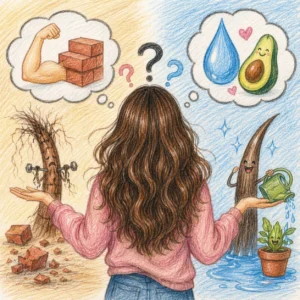
The truth is, most hair problems come down to one important balance: protein vs moisture.
Your hair is constantly trying to tell you what it needs, but many people misunderstand the signals. Some overload their hair with moisture when it actually needs strength. Others pile on protein treatments when their strands are secretly dehydrated and desperate for softness.
The result? Frizz, breakage, dullness, stiffness, or mushy hair that seems impossible to manage.
The good news is that your hair is not ruined. Once you learn the clear signs your hair needs protein or moisture, everything starts making sense. You stop wasting money on random products and finally begin giving your hair exactly what it craves.
Let’s break it all down in the simplest, most human way possible.
Why Protein and Moisture Matter So Much
Think of your hair like a delicate fabric.
Protein gives it structure and strength. Moisture gives it flexibility and softness.
Healthy hair needs both working together in harmony.
Your hair is made mostly of keratin protein. These proteins act like the internal framework that keeps strands strong and resilient. Without enough protein, hair becomes weak, stretchy, and fragile.
Moisture, on the other hand, keeps hair smooth, soft, and elastic. Without moisture, strands become brittle, rough, and more likely to snap.
The healthiest hair is never overloaded with one thing. It lives in balance.
Unfortunately, daily life constantly disrupts that balance.
Heat styling, bleaching, coloring, chemical treatments, tight hairstyles, harsh shampoos, sun exposure, hard water, stress, and even weather changes can throw your hair into complete chaos.
That is why understanding the signs matters so much.
Signs Your Hair Needs Moisture
When your hair lacks moisture, it behaves like a plant that has not been watered for days. It becomes thirsty, stiff, and difficult to manage.
Here are the biggest signs your hair is craving hydration.
1. Your Hair Feels Rough and Straw-Like
Run your fingers through your hair slowly.
Does it feel soft and silky? Or does it feel dry, scratchy, and rough?
Dry hair often feels like straw because the outer layer of the strand, called the cuticle, becomes raised and uneven. Instead of lying flat and smooth, it opens up due to dehydration.
This rough texture is one of the clearest signs your hair needs moisture.
2. Frizz Takes Over Instantly
If your hair turns into a fluffy cloud the second humidity appears, dehydration is likely the culprit.
Dry hair desperately absorbs moisture from the air because it lacks hydration internally. As strands swell unevenly, frizz appears everywhere.
This is why humid weather exposes moisture imbalance so quickly.


3. Your Hair Tangles Constantly
Hydrated hair glides smoothly.
Dry hair catches onto itself like Velcro.
If you brush your hair and it tangles again five minutes later, your strands may be lacking moisture. Rough cuticles create friction, making knots and tangles almost unavoidable.
4. Your Hair Looks Dull and Lifeless
Healthy moisturized hair reflects light beautifully.
Dehydrated hair absorbs light instead, making it appear flat, faded, and dull.
Even expensive styling products struggle to create shine when the hair itself lacks internal moisture.
5. Your Hair Snaps Easily
Hair without enough moisture loses elasticity.
Instead of bending gently, it breaks quickly under tension. This is especially noticeable while brushing, detangling, or styling.
If your ends constantly split or snap, dehydration could be the hidden reason
6. Your Curls Lose Definition
Curly and wavy hair types especially depend on moisture.
Without hydration, curls become frizzy, undefined, and difficult to manage. They may look puffy instead of bouncy and smooth.
Sometimes people assume curly hair needs protein when it actually needs deep hydration.
Signs Your Hair Needs Protein
Now let’s look at the opposite problem.
Protein deficiency usually happens after chemical or heat damage. Bleaching, coloring, relaxing, and excessive flat ironing can weaken the internal structure of your strands.
Here are the biggest signs your hair needs protein
1. Wet Hair Feels Mushy or Gummy
This is one of the strongest warning signs.
When your hair is wet, does it feel overly soft, stretchy, or slimy?
Healthy wet hair should feel smooth and slightly elastic. But protein-deficient hair often feels weak and gummy because its internal structure has been damaged.
Many people describe it as feeling like wet noodles or seaweed
2. Your Hair Stretches Too Much
Hair should stretch slightly and bounce back.
But if your strands stretch endlessly without returning to shape, your hair may lack protein.
Overly stretchy hair cannot maintain its strength because the internal protein bonds are compromised
3. Your Hair Cannot Hold a Style
Do your curls disappear within minutes?
Does your blowout collapse almost immediately?
Hair lacking protein struggles to maintain shape because it no longer has enough structure to support styling.
This is why damaged hair often looks limp and lifeless no matter what products you use
4. Excessive Breakage Appears Everywhere
Protein-deficient hair becomes structurally weak.
You may notice tiny broken hairs all over your clothes, sink, pillowcase, or brush. Unlike natural shedding, broken hair pieces are usually shorter and uneven.
This type of breakage is a major sign your hair needs strengthening treatments.
5. High Porosity Problems
Damaged protein structure creates holes in the hair cuticle.
As a result, water rushes into the strand quickly but escapes just as fast.
If your hair gets soaking wet immediately in the shower but dries extremely fast afterward, high porosity caused by protein loss may be the issue.
6. Bleached or Chemically Treated Hair Feels Weak
Bleach and harsh chemicals strip away natural proteins inside the hair shaft.
If your hair has recently gone through coloring, bleaching, relaxing, or heat damage, protein repair may be necessary to rebuild strength
The Simple Elasticity Test
Still confused?
There is an easy at-home test that helps determine whether your hair needs protein or moisture.
How to Do It
- Wash your hair normally.
- Take one wet strand of hair.
- Hold it gently between both hands.
- Slowly stretch it.
Now pay attention to what happens.


Result 1: It Snaps Immediately
If the strand barely stretches and breaks quickly, your hair likely needs moisture.
Dry hair becomes stiff and brittle.
Result 2: It Keeps Stretching Like Gum
If the strand stretches excessively and refuses to bounce back, your hair likely needs protein.
Weak strands cannot maintain structure.
Result 3: It Stretches Slightly Then Returns Normally
Congratulations.
Your protein-moisture balance is healthy.
How to Fix Moisture-Deprived Hair
If your hair needs moisture, the goal is simple: hydrate and seal.
Best Ingredients for Moisture
Look for products containing:
- Aloe vera
- Glycerin
- Honey
- Shea butter
- Argan oil
- Coconut water
- Hyaluronic acid
- Avocado oil
These ingredients help attract and retain water inside the hair shaft.
Moisture Recovery Routine
Use Deep Conditioning Masks
Apply a rich moisturizing mask once or twice weekly.
Leave it on for at least 15–20 minutes so the ingredients can properly absorb.
Reduce Heat Styling
Flat irons and blow dryers quickly strip moisture from hair.
Try air drying more often or using lower heat settings.
Avoid Hot Water
Extremely hot water opens the cuticle and removes natural oils.
Rinse with lukewarm or cool water whenever possible.
Apply Leave-In Conditioner
Leave-in products help maintain hydration throughout the day and reduce frizz.
They also improve softness and manageability.
Sleep on Silk or Satin
Cotton pillowcases create friction and absorb moisture.
Silk or satin helps preserve hydration overnight.
How to Fix Protein-Deficient Hair
If your hair needs protein, the goal is rebuilding strength.
Best Protein Ingredients
Look for:
- Hydrolyzed keratin
- Hydrolyzed collagen
- Rice protein
- Wheat protein
- Silk amino acids
- Soy protein
Hydrolyzed proteins are broken into tiny particles so they can temporarily fill weak spots in damaged hair.
Protein Recovery Routine
Use Protein Treatments Carefully
Protein treatments work best every 2–4 weeks depending on damage level.
Overusing protein can make hair stiff and brittle.
Try Bond-Building Treatments
Modern bond-repair products help strengthen damaged internal hair bonds.
They are especially useful after bleaching or heat damage.
Balance Protein with Moisture
This is extremely important.
Protein alone can make hair feel hard if not followed with hydration. Always use a moisturizing conditioner after protein treatments.
The Biggest Mistake People Make
The most common mistake in hair care is assuming every problem requires more moisture.
Sometimes your hair is actually too soft and weak.
Other times people overload damaged hair with heavy protein products until it becomes stiff and snaps off.
Hair health is not about choosing one side forever.
Your hair’s needs change constantly depending on:
- Weather
- Heat styling
- Hair coloring
- Stress
- Hormones
- Diet
- Water quality
- Seasonal changes
Learning to listen to your hair is far more powerful than blindly following trends.
The Secret to Balanced Healthy Hair


The healthiest hair routines combine both moisture and protein strategically.
Think of protein as strength training.
Think of moisture as flexibility training.
You need both for healthy movement, resilience, and shine.
A simple balanced routine might include:
- Moisturizing conditioner every wash day
- Deep hydration mask weekly
- Protein treatment every few weeks
- Heat protection before styling
- Gentle shampoos without harsh sulfates
- Minimal excessive heat or bleaching
Consistency matters far more than perfection.
Natural Ways to Support Healthier Hair
Products help, but healthy hair also starts internally.
Eat Protein-Rich Foods
Hair is made of protein, so nutrition matters.
Foods like eggs, fish, beans, yogurt, nuts, and lean meats help support stronger strands.
Stay Hydrated
Your hair reflects your body’s hydration levels.
Drinking enough water supports scalp and hair health.
Manage Stress
Stress can contribute to shedding, dryness, and scalp imbalance.
Even simple habits like better sleep and relaxation can improve overall hair condition.
Your Hair Is Always Communicating With You
Hair care becomes much easier once you stop fighting your hair and start understanding it.
Your strands are constantly sending signals.
Dryness, frizz, limpness, breakage, stiffness, and dullness are not random problems. They are messages.
When you finally learn the signs your hair needs protein or moisture, you gain control over your hair journey instead of feeling confused every time a new problem appears.
Some weeks your hair may crave softness and hydration.
Other weeks it may desperately need strengthening support.
That does not mean your hair is difficult or damaged beyond repair. It simply means it is alive, changing, and responding to the world around it.
Treat your hair with patience, consistency, and kindness.
Healthy hair is not about perfection. It is about balance.
And once you find that balance, your hair begins to transform in ways that feel almost magical.