
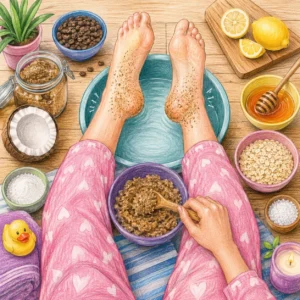
There is a very specific sound that nobody wants to hear when climbing into bed at night.
You slide your legs under your favorite blanket, settle into a comfortable position, and suddenly hear a faint scratch against the sheets. At first, you might think the fabric snagged on something. Then reality sets in. The culprit is your own heel.
If your feet have ever felt rough enough to catch on socks, carpets, or bed sheets, you are certainly not alone. Many of us spend considerable time and money caring for our faces, hair, and hands while completely overlooking the hardest-working part of the body: our feet.
Every single day, our feet support our body weight, absorb pressure, walk countless steps, and endure friction from shoes and rough surfaces. Yet they rarely receive the same attention as the rest of our skincare routine. The result is often dry, rough, cracked skin that can feel uncomfortable and sometimes even painful.
The good news is that achieving smooth heels does not require expensive spa appointments or costly treatments. Some of the most effective foot scrubs can be made using simple ingredients already sitting in your kitchen.
In this guide, you’ll discover why heels become rough, how natural exfoliation works, and the best homemade scrubs you can prepare tonight for softer, healthier-looking feet.
Why Do Heels Become Rough and Dry?
Before reaching for a scrub, it helps to understand what causes rough heels in the first place.
Unlike most areas of the body, the skin on the soles of your feet is significantly thicker. This extra thickness helps protect your feet from constant pressure and friction. However, the skin on your feet also lacks oil glands, making it naturally prone to dryness.
Several factors contribute to rough heels, including:
- Walking barefoot frequently
- Wearing open-backed shoes
- Standing for long periods
- Dry weather conditions
- Hot showers and baths
- Lack of regular moisturization
- Natural aging
Over time, dead skin cells accumulate and form thick calluses. When these calluses lose moisture, they become rigid and may crack under pressure. Dermatologists note that dry weather, friction, and inadequate moisturizing are common contributors to cracked heels.
The key to restoring smooth heels is combining two essential steps:
- Exfoliation to remove dead skin buildup.
- Moisturization to soften and protect newly revealed skin.
Let’s explore the best DIY scrubs that accomplish both.
1. Brown Sugar and Coffee Foot Scrub
If your feet feel rough and tired after a long day, this invigorating scrub is an excellent place to start.
Why It Works
Brown sugar provides gentle exfoliation while helping remove dead skin cells. Coffee grounds create additional texture and can help massage tired feet, leaving them feeling refreshed.
Meanwhile, coconut oil helps nourish dry skin and adds a moisturizing element to the scrub.
Ingredients
- 3 tablespoons used coffee grounds
- 3 tablespoons brown sugar
- 2 tablespoons melted coconut oil
Directions
- Combine all ingredients in a small bowl.
- Mix until a wet, sandy consistency forms.
- Wet your feet with warm water.
- Massage the scrub onto your heels using circular motions for 3 to 5 minutes.
- Rinse thoroughly and pat dry.
Your feet will immediately feel softer and more hydrated.
2. Sea Salt and Olive Oil Callus Scrub
For stubborn calluses and thick skin buildup, sea salt offers stronger exfoliation.
Why It Works
The larger granules of sea salt help loosen and remove hardened skin. Olive oil contains nourishing fatty acids that soften rough patches and improve skin texture.
Ingredients
- 4 tablespoons coarse sea salt
- 2 tablespoons extra virgin olive oil
- 3 drops peppermint essential oil (optional)
Directions
- Mix all ingredients together.
- Apply to damp feet.
- Focus on rough heel edges and callused areas.
- Massage gently for several minutes.
- Rinse with warm water.
Important Note
Avoid this scrub if your heels have deep cracks, open wounds, or bleeding skin. Salt can cause irritation and discomfort on broken skin.
3. Oatmeal, Honey, and Coconut Oil Foot Mask
Sometimes rough heels need soothing hydration more than aggressive exfoliation.
This treatment acts as both a scrub and a nourishing foot mask.
Why It Works
Oatmeal is known for its soothing properties and is often used to calm dry, irritated skin. Honey is a natural humectant, meaning it attracts moisture and helps retain hydration. Coconut oil adds a protective barrier that locks in softness.
Ingredients
- 3 tablespoons finely ground oats
- 2 tablespoons raw honey
- 1 tablespoon melted coconut oil
Directions
- Combine ingredients into a thick paste.
- Apply generously to clean feet.
- Wrap feet loosely in plastic wrap or place them in plastic bags.
- Relax for 15 minutes.
- Massage gently before rinsing.
The result is incredibly soft, nourished skin that feels refreshed and comfortable.
4. Lemon and Sugar Brightening Scrub
If your feet appear dull in addition to feeling rough, this citrus-inspired scrub may help restore brightness.
Why It Works
Lemon contains natural fruit acids that help loosen dead skin cells. Combined with sugar’s physical exfoliation, it creates a powerful polishing treatment.
Ingredients
- 4 tablespoons white sugar
- Juice of half a lemon
- 2 tablespoons almond oil
Directions
- Mix ingredients immediately before use.
- Massage onto damp heels and feet.
- Scrub for several minutes.
- Rinse thoroughly with warm water.
Caution
Avoid applying lemon to cracked, broken, or irritated skin, as it may cause stinging.
5. Epsom Salt Foot Soak and Scrub
This treatment delivers a spa-like experience without leaving home.
Why It Works
A warm foot soak softens hardened skin and makes exfoliation significantly easier. Soaking before scrubbing allows dead skin to loosen naturally, reducing the amount of effort required.
Experts often recommend soaking followed by gentle exfoliation and moisturizing for dry, cracked heels.
Ingredients
For the soak:
- Warm water
- ½ cup Epsom salt
For the scrub:
- Equal parts baking soda and warm water
Directions
- Fill a basin with warm water.
- Add Epsom salt.
- Soak feet for 10–15 minutes.
- Mix baking soda and water into a paste.
- Gently massage onto softened heels.
- Rinse and dry thoroughly.
This combination leaves feet noticeably smoother and more comfortable.
The Secret Most People Forget
Many people spend time exfoliating their feet but skip the most important step afterward.
Moisturizing.
Exfoliation removes dead skin, but moisturizing helps maintain the results.
Without hydration, your skin may respond by creating even more thickened skin as protection.
Dermatologists recommend applying a rich moisturizer immediately after bathing or exfoliating to lock in moisture. Thick creams, petroleum jelly, and products containing urea can be especially helpful for dry heels.
The Overnight Sock Method
Want dramatically softer feet by morning?
Try this simple routine:
Step 1: Dry Your Feet
Pat your feet completely dry after exfoliating.
Step 2: Apply a Rich Moisturizer
Choose one of the following:
- Shea butter
- Petroleum jelly
- Thick foot cream
- Urea-based moisturizer
Step 3: Wear Cotton Socks
Put on clean cotton socks before bed.
The socks help trap moisture and allow the product to work overnight while preventing it from rubbing off on bedding.
By morning, your heels often feel noticeably softer.
Weekly Routine for Smooth Heels
Consistency matters more than intensity.
Rather than aggressively scrubbing every day, follow a simple schedule.
Sunday: Full Foot Spa
- Epsom salt soak
- Sea salt scrub
- Deep moisturizer
- Cotton socks overnight
Wednesday: Quick Maintenance
- Brown sugar and coffee scrub
- Moisturizer afterward
Every Night
- Apply moisturizer before bed
This simple routine helps maintain smooth heels year-round without over-exfoliating.
Common Mistakes That Make Heels Worse
Scrubbing Too Hard
More force does not equal better results. Excessive scrubbing can irritate skin and trigger more callus formation.
Ignoring Moisturizer
Exfoliation without hydration often leads to recurring dryness.
Wearing Poorly Fitting Shoes
Open-backed footwear and ill-fitting shoes can increase friction and worsen heel dryness.
Using Harsh Tools Too Frequently
Foot files and scrapers can be helpful, but overuse may irritate skin. Experts generally recommend limiting aggressive exfoliation to a few times per week.
When to See a Professional
While most rough heels improve with consistent care, some situations require medical attention.
Consider consulting a healthcare professional if:
- Cracks become deep or painful
- Bleeding occurs
- Signs of infection develop
- You have diabetes
- Home treatments do not help
Persistent cracked heels can sometimes be associated with underlying medical conditions and should not be ignored.
Walk Into Every Day with Confidence
Your feet carry you through every stage of life. They support you through workdays, errands, exercise, adventures, and everything in between.
Giving them a little extra care is more than a beauty routine. It is a form of self-care and appreciation for the body that supports you every day.
The next time your heels catch on your sheets or feel rough against your socks, skip the expensive spa appointment and head to your kitchen instead. With a handful of simple ingredients and a few minutes of attention, you can create effective treatments that help restore beautifully smooth heels naturally.
Soft, comfortable feet are closer than you think.