
Let’s be honest for a moment: the modern world of beauty, wellness, and recovery can feel completely overwhelming.
Every time you open social media, someone is promoting a brand-new miracle treatment. One influencer is rubbing snail slime on their face. Another is sitting inside a freezing cryotherapy chamber looking like a human popsicle. And somewhere in the middle of all that chaos, regular people are simply trying to figure out what actually works.
It can be exhausting.
Most trendy treatments come with huge promises, sky-high prices, and very little real science behind them. But every once in a while, a treatment appears that genuinely changes the conversation. Not because it is flashy or hyped up, but because it works with your body instead of against it.
That treatment is PRP therapy.
You may have already seen it online without realizing it. Athletes getting injections in their knees. Celebrities posting photos after a “vampire facial.” Hair restoration clinics talking about “liquid gold.” It sounds mysterious, slightly dramatic, and maybe even a little intimidating.
But the truth is surprisingly simple.
PRP therapy uses your own blood to help your body heal, repair, and regenerate naturally.
No synthetic chemicals. No foreign substances. No complicated science-fiction technology.
Just your body doing what it was designed to do — only faster and more efficiently.
So grab your favorite drink, get comfortable, and let’s walk through everything you need to know about PRP therapy in simple, human language.
What Exactly Is PRP Therapy?
PRP stands for Platelet-Rich Plasma.
Now before your brain immediately tries to escape because this sounds like a biology lecture, let’s simplify it.
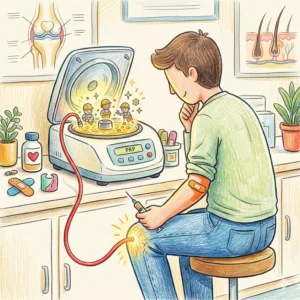
Think of your blood as a delivery service filled with tiny workers carrying important supplies throughout your body. Inside that blood are platelets — tiny cells most people only associate with stopping bleeding after a cut.
But platelets are actually much more impressive than that.
They contain powerful proteins called growth factors. These growth factors act like your body’s repair team. Whenever you get injured, these little workers rush to the area and begin rebuilding tissue, reducing inflammation, and encouraging healing.
PRP therapy simply concentrates those healing powers into one supercharged solution.
Here’s how the process usually works:
- A medical professional draws a small amount of blood from your arm.
- That blood is placed into a centrifuge, a machine that spins very quickly.
- The spinning separates the blood into layers.
- The platelet-rich plasma is collected.
- The PRP is injected into the area needing treatment.
That’s it.
Your own healing cells are redirected exactly where your body needs extra support.
This is why many people love PRP therapy. It feels natural because it is natural. Your body recognizes the material immediately because it came from you.
Why PRP Therapy Has Become So Popular
PRP therapy exploded in popularity because it crosses several worlds at once.
It is used in:
- Cosmetic treatments
- Sports medicine
- Hair restoration
- Orthopedic recovery
- Anti-aging procedures
- Joint pain management
That versatility is what makes it so fascinating.
Instead of masking problems temporarily, PRP focuses on helping the body repair tissue from within. Results usually appear gradually because actual healing takes time.
And honestly, many people prefer that over dramatic overnight changes that look unnatural.
PRP Therapy in Your 20s and 30s
Your twenties and thirties are often your “maintenance years.”
You still feel energetic. Your skin recovers quickly. Your metabolism behaves reasonably well. But small changes start appearing quietly.
A few extra hairs in the shower drain.
Slightly dull skin after stressful workweeks.
Fine lines that seem to appear out of nowhere after one bad night of sleep.
This is where PRP therapy becomes more preventative than corrective.
PRP for Hair Loss and Thinning Hair
Few things create panic faster than noticing thinning hair.
Whether it is stress, genetics, hormones, or lifestyle habits, early hair loss can seriously affect confidence.
PRP therapy for hair restoration works by stimulating weakened hair follicles. The growth factors improve blood circulation around the follicles and encourage stronger, healthier hair growth.
Many patients notice:
- Reduced hair shedding
- Thicker hair texture
- Better scalp health
- Improved hair density
The biggest advantage is that PRP supports your existing follicles naturally instead of relying entirely on medications or invasive surgery.
Results are gradual, but that is usually a good sign. Natural improvement tends to look more believable and balanced.
PRP Facials and Skin Rejuvenation
Now let’s talk about the famous “vampire facial.”
Despite the dramatic nickname, PRP facials are actually designed to refresh tired-looking skin naturally.
The treatment is often combined with microneedling, which creates tiny micro-channels in the skin. The PRP is then applied or injected so the growth factors penetrate deeply into the skin layers.
The result?
Your skin begins producing more collagen and elastin.
That means improvements in:
- Acne scars
- Uneven skin texture
- Fine lines
- Large pores
- Dull complexion
- Overall skin glow
People often describe the final result as looking “rested” instead of “done,” which is exactly why PRP has become so appealing.
PRP Therapy in Your 40s and 50s
Your forties and fifties are when your body starts sending gentle reminders that time is real.
Recovery takes longer.
Old sports injuries suddenly reappear.
Fine lines become deeper.
Skin loses some firmness and elasticity.
This is where PRP therapy shifts from prevention into restoration.
PRP for Anti-Aging and Facial Rejuvenation
Aging skin naturally loses collagen over time. Unfortunately, collagen is what keeps skin firm, smooth, and youthful.
As collagen production slows, you may notice:
- Sagging skin
- Under-eye hollows
- Wrinkles
- Smile lines
- Loss of facial volume
Traditional fillers can temporarily add volume, but some people worry about looking overfilled or unnatural.
PRP therapy works differently.
Instead of forcing volume into the face, it encourages your skin to rebuild itself gradually. The improvements tend to appear softer and more natural because your body is creating real tissue regeneration.
Many patients appreciate that PRP helps them still look like themselves — just healthier, fresher, and more energized.
PRP for Sports Injuries and Joint Pain
This age range is also prime territory for chronic pain.
Tennis elbow.
Rotator cuff injuries.
Achilles tendonitis.
Knee discomfort.
The frustrating part is that these injuries heal slowly because tendons and ligaments have limited blood supply.
PRP injections deliver concentrated healing factors directly to the injured tissue. This can help reduce inflammation while stimulating tissue repair.
Athletes especially love PRP because it may help them recover without surgery or long-term medication use.
And honestly, being able to move comfortably again can dramatically improve everyday life.
PRP Therapy in Your 60s and Beyond
Your sixties should be about freedom, movement, and enjoying life — not constantly managing pain.
Unfortunately, decades of wear and tear often lead to joint degeneration and osteoarthritis.
Simple activities can suddenly become difficult:
- Walking long distances
- Climbing stairs
- Gardening
- Playing with grandchildren
- Standing for long periods
For many older adults, PRP therapy offers hope without immediately jumping into major surgery.
PRP for Osteoarthritis and Joint Comfort
When joints become inflamed and cartilage wears down, traditional treatment options are often limited to:
- Pain medication
- Steroid injections
- Physical therapy
- Joint replacement surgery
PRP therapy may help by improving the joint environment naturally.
The growth factors can reduce inflammation, improve lubrication inside the joint, and support healthier tissue function.
Many people report improvements in:
- Daily mobility
- Joint stiffness
- Pain levels
- Walking comfort
- Physical activity tolerance
While PRP cannot magically reverse severe arthritis, it may help delay more invasive procedures and improve quality of life significantly.
Reclaiming Independence
One of the most underrated benefits of PRP therapy is independence.
Being able to walk comfortably.
Travel confidently.
Exercise safely.
Sleep without pain.
These things matter deeply.
Sometimes healing is not about looking younger. Sometimes it is simply about getting your life back.
How Long Does PRP Therapy Take to Work?
This is probably the most important question people ask.
And the answer is: PRP therapy requires patience.
Unlike quick cosmetic fixes, PRP stimulates biological repair. Real healing takes time.
General timelines look something like this:
| Treatment Area | Typical Results Timeline |
|---|---|
| Hair restoration | 3–6 months |
| Skin rejuvenation | 2–6 weeks |
| Joint pain relief | 4–8 weeks |
| Tendon injuries | Several weeks to months |
Gradual improvement is normal.
That slow progress usually means your body is actively rebuilding tissue rather than temporarily masking symptoms.
Is PRP Therapy Safe?
Because PRP uses your own blood, the risk of allergic reactions is extremely low.
Most side effects are mild and temporary, including:
- Slight swelling
- Mild soreness
- Bruising
- Redness at injection sites
However, PRP should always be performed by a licensed and experienced medical professional.
Proper technique matters enormously.
Who Is a Good Candidate for PRP?
PRP therapy may be ideal if:
- You want natural treatment options
- You prefer minimal downtime
- You have mild to moderate hair thinning
- You are dealing with chronic tendon or joint discomfort
- You want gradual anti-aging improvements
- You are looking for regenerative healing instead of temporary masking
However, PRP may not be suitable for everyone.
People with certain blood disorders, infections, or severe medical conditions should speak with a qualified physician first.
Questions to Ask Before Getting PRP Therapy
Before booking a treatment, ask:
- Is the provider licensed and experienced?
- How many PRP procedures have they performed?
- What results should I realistically expect?
- How many sessions will I need?
- What does recovery look like?
- Are there alternative treatments I should consider?
A trustworthy provider will answer openly and honestly without pressuring you.
PRP Therapy Quick Summary
| Goal | How PRP Helps | Timeline |
| Hair Growth | Stimulates dormant follicles | 3–6 months |
| Skin Glow | Boosts collagen production | 2–6 weeks |
| Joint Relief | Reduces inflammation | 4–8 weeks |
| Anti-Aging | Encourages tissue renewal | 1–2 months |
Final Thoughts: Is PRP Therapy Worth It?
At the end of the day, PRP therapy is not magic.
It is something much more interesting.
It is your body’s own healing system being amplified and redirected with modern medical science.
That is why so many people are drawn to it. PRP therapy does not try to completely change who you are. Instead, it supports your body’s natural ability to repair itself.
Whether you are hoping to strengthen thinning hair, refresh tired skin, recover from injuries, or simply move more comfortably, PRP therapy offers a promising and minimally invasive option.
The best part?
It works with your biology — not against it.
If you are curious about PRP, talk with a qualified medical professional, ask thoughtful questions, and explore whether regenerative medicine fits your personal goals.
You deserve to feel healthy, confident, mobile, and comfortable at every stage of life.
References
Mayo Clinic — Platelet-Rich Plasma Therapy Guide
Cleveland Clinic — PRP Treatment Explained
Johns Hopkins Medicine — PRP Injections Information