
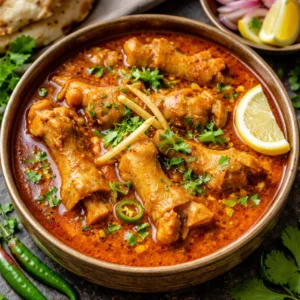
There are some dishes in Desi cuisine that feel less like recipes and more like legendary quests. And if we’re being honest, Paya Curry easily sits at the top of that list.
It’s the dish people whisper about with respect. The kind of meal that older generations proudly say requires patience, dedication, and a very slow flame. Traditionally, making Paya means starting late at night, letting goat or cow trotters simmer for hours while the entire house fills with that rich, spicy aroma. By the time morning arrives, you’re rewarded with a sticky, gelatin-rich broth and tender meat that falls off the bone.
But here’s the reality of modern life:
Most of us simply don’t have twelve hours to watch a pot bubble away on the stove.
Between work schedules, family responsibilities, gym routines, and the occasional Netflix marathon, cooking something that takes half a day can feel impossible. The good news? You don’t have to give up the magic of Paya Curry just because life is busy.
With the help of a pressure cooker and a few smart cooking tricks, you can enjoy the same rich flavor, sticky texture, and comforting warmth in about an hour.
Yes, really.
This recipe is essentially a shortcut that doesn’t sacrifice taste. It keeps the soul of the traditional dish while making it practical for modern kitchens.
So grab your pressure cooker and your appetite—because today we’re turning a slow-cooked classic into a fast and delicious comfort meal.
Why Paya Curry Is Considered a Traditional Superfood
Long before bone broth became trendy in wellness cafés, South Asian kitchens had already mastered the concept with Paya Curry.
Trotters—whether from goat, lamb, or beef—are naturally packed with collagen. When they cook slowly in broth, that collagen melts into gelatin, creating the signature sticky texture that makes this dish so satisfying.
But it’s not just about texture. This collagen-rich broth offers several benefits.
1. Supports Joint Health
Collagen and gelatin contain amino acids that may support joint flexibility and reduce stiffness.
2. Good for Skin
Many nutrition experts believe collagen-rich broths help improve skin elasticity and hydration.
3. Gut-Friendly Comfort Food
Bone broths are often associated with gut health because they are easy to digest and nourishing.
4. Deeply Hydrating
The slow extraction of minerals from bones creates a nutrient-dense broth that hydrates and nourishes the body.
In many households, Paya Curry isn’t just a dish—it’s comfort food, recovery food, and sometimes even “medicine” served when someone is feeling under the weather.
And honestly, after one bowl, it’s easy to understand why.
Ingredients for Quick Paya Curry
A great Paya Curry starts with simple ingredients that deliver big flavor.
The Main Ingredient
4–6 goat or beef trotters (Paya), cleaned and cut into pieces
Ask your butcher to clean them properly. Trust me—life is too short to scrub goat feet yourself.
Optional Flavor Booster
1 small piece mutton shank (bong) or extra bones
This helps create a thicker, richer broth.
Aromatics
- 2 large onions, thinly sliced
- 2 tablespoons ginger-garlic paste
These ingredients form the base of the curry and give it depth.
Whole Spices
- 1 bay leaf
- 1 black cardamom
- 1 small cinnamon stick
- 6–8 black peppercorns
These spices release fragrance when fried in oil or ghee.
Ground Spices
- 1 teaspoon turmeric powder
- 1 teaspoon red chili powder
- 1 tablespoon coriander powder
- ½ teaspoon garam masala
These spices provide warmth, color, and flavor.
Finishing Ingredients
- Fresh ginger juliennes
- Green chilies
- Fresh cilantro
- Lemon wedges
These toppings brighten the rich curry and balance the flavors.
Step-by-Step Recipe for Quick Paya Curry
Let’s break the process into simple steps so anyone can make this dish successfully.
Step 1: Cleaning the Trotters
This step is extremely important.
Paya can sometimes carry a strong smell if not cleaned properly. A quick soak removes impurities and ensures a clean flavor.
Cleaning Method
- Place the trotters in a large bowl.
- Add water, one tablespoon flour, and a splash of vinegar.
- Let them soak for about 10 minutes.
- Scrub lightly and rinse thoroughly.
- Once cleaned, they’re ready for cooking.
Step 2: Build the Flavor Base
Heat 3–4 tablespoons oil or ghee in your pressure cooker.
Add the whole spices:
- Bay leaf
- Cinnamon
- Black cardamom
- Peppercorns
Let them sizzle for a few seconds until fragrant.
Now add the sliced onions and cook them slowly until deep golden brown.
Pro Tip
The darker the onions (without burning them), the richer your Paya Curry will taste.
This step is the secret behind restaurant-style flavor.
Step 3: Add the Trotters
Add the cleaned trotters to the pot along with ginger-garlic paste.
Cook them on high heat for 5–7 minutes, stirring occasionally.
This process—often called bhuna—helps seal the flavors into the meat and bones.
Now add the powdered spices:
- Turmeric
- Red chili powder
- Coriander powder
Mix well. If the spices stick to the bottom, add a small splash of water.
Step 4: Pressure Cook the Curry
Now add enough water to cover the trotters completely.
Then add two extra cups of water to ensure enough broth develops.
Close the pressure cooker lid and cook on medium-low heat.
Cooking Time
After the first whistle, cook for 45–60 minutes.
During this time, the pressure cooker does something magical: it forces collagen out of the bones and into the broth much faster than traditional simmering.
Think of it as a time machine for flavor.
Step 5: Final Simmer
Once the cooking time is complete, carefully release the pressure.
Check the trotters. The meat should be tender and falling off the bone.
If they still feel tough, cook for another 10 minutes under pressure.
After opening the lid, simmer the curry uncovered for about 10 minutes.
This step thickens the gravy and concentrates the flavor.
The Famous Sticky Test
Here’s a fun way to check if your Paya Curry is perfect.
Take a spoonful of the broth and let it cool slightly.
Rub it between your thumb and forefinger.
If your fingers stick together like they’re glued, congratulations—you’ve extracted all the collagen and made authentic sticky Paya.
You are officially a Paya professional.
Serving Suggestions
Paya Curry is best enjoyed hot and fresh.
Traditionally it’s served with:
- Naan
- Kulcha
- Tandoori roti
Bread is perfect for scooping up the rich gravy.
And please—don’t use a fork and knife. Eating Paya with utensils feels wrong on a spiritual level.
Use your hands and enjoy the experience.
Don’t Forget the Marrow
Inside the bones lies one of the most delicious parts of the dish: marrow.
To get it out:
- Tap the bone gently on your plate
- Use a small spoon
- Or sip it through a straw
It’s rich, buttery, and incredibly flavorful.
Many Paya lovers consider it the best part of the entire meal.
Why This Recipe Is More Than Just Cooking
Cooking Paya Curry is actually a powerful metaphor.
You take something tough and seemingly unusable—a goat’s trotter—and transform it through heat and pressure into something soft, nourishing, and deeply satisfying.
Life works in a similar way.
Pressure, time, and patience often turn difficult situations into something valuable.
If a goat trotter can become a five-star delicacy in an hour, imagine what you can achieve with a little persistence.
Pro Tips for Perfect Paya Curry
1. Make It a Day Ahead
Even though this is a quick recipe, Paya tastes even better the next day.
The flavors deepen and the broth becomes thicker.
2. Adjust the Consistency
Some people love a thin broth, while others prefer a thick, gravy-like curry.
You can adjust it by:
- Adding more water for thinner broth
- Simmering longer for thicker gravy
3. Use Ghee for Rich Flavor
Cooking with ghee instead of oil adds a deeper, traditional taste.
4. Garnish Generously
Fresh ginger, green chilies, and cilantro brighten the entire dish.
Final Thoughts: A Bowl of Comfort
Few dishes capture warmth and comfort like Paya Curry.
It’s rich, flavorful, nourishing, and deeply satisfying. Traditionally it required hours of patience, but with modern cooking tools, you can enjoy the same comforting experience in a fraction of the time.
This recipe proves that you don’t have to sacrifice tradition for convenience.
With the right ingredients, a pressure cooker, and a little enthusiasm, you can turn a classic slow-cooked dish into a weekday-friendly masterpiece.
And once you taste that sticky, spicy broth with fresh naan, you’ll realize something important:
Some shortcuts in the kitchen are absolutely worth taking.
References