
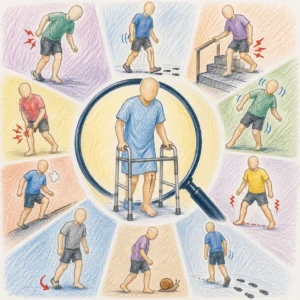
Recovering from surgery can feel like stepping into a completely different version of your body. One day you are lying in a hospital bed counting ceiling tiles, and the next you are expected to walk normally again as if nothing major happened. But for many people, the first thing they notice after surgery is not just pain or stiffness — it is their gait.
You may catch yourself limping through the kitchen, leaning forward while walking, or dragging one foot slightly behind the other. At first, it might seem harmless. After all, your body just went through a huge event. But your gait is more than just “the way you walk.” It is your body’s communication system. Every step reveals how your muscles, nerves, joints, and balance are functioning during recovery.
A temporary change in gait after surgery is completely normal. Your body naturally protects injured or healing areas by adjusting movement patterns. However, if those walking changes continue for weeks or begin causing new discomfort elsewhere, it may be a sign your recovery needs extra attention.
Understanding these warning signs early can help prevent long-term problems, improve healing, and restore your confidence faster. Let’s explore the most common post-surgery gait changes you should never ignore.
What Is a Post-Surgery Gait?


During recovery, your body automatically changes how you move to reduce pain and protect healing tissues. This survival response is helpful in the short term, but if the altered gait continues for too long, your body starts adapting to unhealthy movement patterns.
That compensation can trigger a chain reaction throughout the body. A weak hip may stress the knee. A limp may strain the lower back. A forward lean may tighten the neck and shoulders. Over time, these secondary issues can become just as uncomfortable as the original surgical problem.
Paying attention to gait changes helps you catch problems before they turn into long-term complications.
1. The Persistent Side-to-Side Sway


This is especially common after hip, pelvic, abdominal, or lower back surgery. Swelling and pain can temporarily shut down stabilizing muscles, making your body compensate by shifting weight dramatically from side to side.
While this gait may feel safer at first, it places excessive pressure on the spine, knees, and opposite hip.
Signs to Watch For
- Excessive hip movement while walking
- Difficulty balancing on one leg
- Fatigue after short walks
- Lower back soreness
What Helps
Gentle glute-strengthening exercises, side leg raises, and physical therapy can gradually retrain these muscles to stabilize your gait again.
2. Dragging One Foot
A dragging foot should never be ignored after surgery.
This gait issue often occurs when nerves are irritated or muscles become weak after procedures involving the spine, hips, knees, or legs. Sometimes anesthesia positioning during surgery can temporarily affect nerve signals as well.
Dragging your foot increases the risk of tripping, falling, and reinjury during recovery.
Common Symptoms
- Shoes scuffing the floor
- Difficulty lifting the toes
- Feeling like one leg is “heavy”
- Increased stumbling
What Helps
Toe lifts, ankle strengthening, and balance exercises often improve this condition. However, worsening foot drag should always be discussed with your doctor or therapist.
3. The Long-Lasting Limp


Many people unconsciously avoid placing full weight on the recovering side because the brain associates movement with discomfort.
The problem is that limping creates imbalance throughout the body. Over time, it may lead to:
- Lower back pain
- Hip tightness
- Knee strain
- Poor posture
What Helps
Pain management, gradual strengthening, and walking drills can help rebuild confidence in the affected side.
4. Uneven Step Length
When one step feels long and smooth while the other feels short and stiff, your gait is telling you something important.
Unequal step lengths often happen because one joint lacks mobility or because you subconsciously do not trust one side of your body yet.
Why It Matters
This imbalance forces one leg to work harder than the other, which increases fatigue and creates inefficient movement patterns.
Helpful Exercises
- Slow controlled walking
- Heel-to-toe walking
- Stretching tight hip flexors
- Practicing equal weight distribution
Your brain sometimes needs reassurance that both legs are safe to use evenly again.
5. Feeling Wobbly or Unsteady


Proprioception is your body’s internal GPS system. It tells your brain where your limbs are without needing to look at them. Surgery, swelling, and anesthesia can temporarily interfere with this system.
Warning Signs
- Needing walls for support
- Feeling unstable during turns
- Fear of falling
- Difficulty walking in crowds
What Helps
Balance training is extremely important here. Standing on one foot, supported balance exercises, and guided physical therapy can gradually restore stability.
6. The Forward Lean
Many people unconsciously bend forward after abdominal or spinal surgery to protect the incision area.
At first, this posture feels safer. But over time, a hunched gait can create new issues.
Problems Caused by a Forward-Leaning Gait
- Tight hip flexors
- Neck and shoulder pain
- Lower back strain
- Poor breathing mechanics
Recovery Tip
Practice standing tall against a wall for a few minutes daily. Gentle stretching and posture awareness can gradually retrain your body alignment.
7. Sudden Joint Buckling


This usually happens when stabilizing muscles become fatigued or weak. The joint temporarily loses support, causing a sudden buckle.
Why It Is Dangerous
Joint buckling greatly increases fall risk, especially on stairs or uneven surfaces.
What Helps
- Reduce walking distance temporarily
- Focus on strengthening exercises
- Use mobility aids if recommended
- Avoid rushing during recovery
8. Pain Appearing Somewhere Else
One of the trickiest gait warning signs is pain that appears in a completely different body part.
For example:
- An ankle surgery causes hip pain
- A knee procedure leads to back pain
- A hip surgery triggers discomfort in the opposite leg
This happens because your altered gait forces healthy joints to overcompensate.
Why This Happens
Your body is incredibly smart. If one area struggles, another area works overtime to keep you moving. Unfortunately, that extra workload eventually creates strain elsewhere.
The Fix
Correcting the original gait issue often relieves secondary pain naturally.
9. Walking Feels Exhausting


If your gait requires extreme concentration and effort, your movement efficiency is low.
Signs of an Inefficient Gait
- Heavy fatigue after short distances
- Needing frequent breaks
- Mental exhaustion while walking
- Shortness of breath from minimal movement
An inefficient gait burns energy quickly, leaving you exhausted for the rest of your rehabilitation exercises.
What Helps
Pacing yourself, using proper walking aids, and gradually increasing endurance can make walking feel natural again.
10. Foot Slapping the Floor
A loud “slap” every time your foot hits the ground often indicates weakness in the shin muscles.
Instead of gently lowering the foot, the muscles lose control during the downward motion.
Why It Matters
This gait pattern places extra stress on:
- Ankles
- Knees
- Shin muscles
- Lower back
Helpful Exercises
- Toe raises
- Ankle flexion exercises
- Resistance band strengthening
- Controlled heel-to-toe walking
Early correction helps prevent long-term strain and imbalance.
How to Improve Your Gait Safely at Home


Use mobility aids without shame
Walkers, canes, and crutches exist to support healing. Using them properly helps maintain a safer, more balanced gait during recovery.
Practice Mirror Walking
Watching yourself walk in a mirror gives your brain valuable visual feedback. You may notice posture issues or limping patterns you were unaware of.
Focus on Heel-to-Toe Walking
A healthy gait typically rolls smoothly from heel to toe. Practicing this movement helps restore normal walking mechanics.
Stay Consistent With Exercises
The “boring” rehabilitation exercises are often the most important. Small movements rebuild strength, stability, and muscle memory step by step.
Quick Post-Surgery Gait Troubleshooting Guide
| Gait Change | Possible Cause | Helpful Action |
|---|---|---|
| Side-to-side sway | Weak glutes | Side leg raises |
| Foot dragging | Nerve irritation | Toe lifting exercises |
| Persistent limp | Pain guarding | Gradual strengthening |
| Uneven steps | Joint stiffness | Walking drills |
| Wobbliness | Poor balance | Balance exercises |
| Forward lean | Incision protection | Posture practice |
| Joint buckling | Weak stabilizers | Strength training |
| New joint pain | Compensation | Correct alignment |
| Exhaustion walking | Inefficient movement | Build endurance slowly |
| Foot slapping | Shin weakness | Ankle strengthening |
When to Contact a Doctor Immediately
While mild gait changes are common during recovery, seek medical attention if you experience:
- Sudden worsening weakness
- Severe numbness
- Loss of bladder or bowel control
- Repeated falls
- Significant swelling or redness
- Sharp chest pain or shortness of breath
These symptoms may indicate complications requiring immediate care.
Final Thoughts
Recovery is not always a straight path. Some days your gait may feel strong and steady, while other days every step feels awkward and exhausting. That is completely normal.
The important thing is listening to your body instead of ignoring its signals.
Your gait reflects your healing progress in real time. Small changes may seem harmless now, but correcting unhealthy walking patterns early can prevent long-term pain and mobility problems later.
Be patient with yourself during this journey. Celebrate small improvements. Use your support tools proudly. And remember — every careful step forward is still progress.
With time, proper rehabilitation, and consistent movement practice, your body can relearn how to walk smoothly and confidently again.
References