
If you’ve ever lived through a Pakistani summer, you know it’s not just about sunshine and blue skies—it’s survival. The heat doesn’t politely knock; it barges in, wraps itself around you, and refuses to leave. By noon, stepping outside feels like walking into an oven, and even the simplest tasks—like holding a steering wheel—can feel like a test of endurance.
In weather like this, food becomes more than just nourishment. It becomes relief. It becomes comfort. And sometimes, it becomes the only thing standing between you and complete meltdown.
That’s where Dahi Baray step in—quietly, humbly, but powerfully.
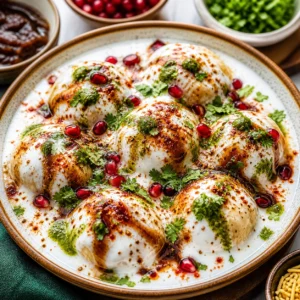
Cold, creamy, tangy, and just the right amount of spicy, Dahi Baray aren’t just a dish. They’re a rescue plan for scorching days. They cool you down from the inside out, refresh your senses, and somehow make everything feel a little more manageable.
What Exactly Are Dahi Baray?
For anyone new to this iconic dish, let’s simplify it.
Dahi Baray (also called Dahi Bhalla in some regions) is made up of two key elements:
1. The Baray (Dumplings):
Soft, fluffy fritters made from lentils—usually mash dal (urad dal) or moong dal. These are deep-fried and then soaked in water until they become tender and sponge-like.
2. The Dahi (Yogurt):
Smooth, creamy yogurt that’s lightly seasoned and poured generously over the softened dumplings.
But that’s just the base. The real magic happens when you layer it with chutneys, spices, and toppings. Sweet tamarind chutney, spicy mint chutney, chaat masala, red chili powder—each ingredient adds a new dimension.
The result? A dish that’s cooling yet flavorful, light yet satisfying. It’s a perfect contradiction—and that’s exactly why it works.
More Than Food: A Cultural Staple
In Pakistan, Dahi Baray aren’t just eaten—they’re experienced.
They’re a must-have on Ramadan iftar tables, sitting proudly among samosas and fruit chaat. They’re served at family brunches, weddings, and casual get-togethers. And let’s not forget the roadside stalls—those small setups under the blazing sun where vendors serve chilled plates that somehow taste even better outdoors.
From Karachi to Lahore to Rawalpindi, every city has its own style, its own balance of flavors, and its own loyal fans.
There’s something deeply nostalgic about Dahi Baray. One bite can take you back to childhood evenings, family gatherings, or that one street vendor whose recipe you still haven’t forgotten.
Why Dahi Baray Are Perfect for Summer
Let’s be honest—summer changes how we eat.
Heavy meals feel exhausting. Oily dishes sit heavily in your stomach. And sometimes, you just want something that feels… easy.
Dahi Baray tick all the right boxes:
- Cooling effect: Yogurt naturally cools the body.
- Light yet filling: You don’t feel weighed down.
- Balanced flavors: Sweet, spicy, tangy—everything in one bite.
- Digestive-friendly: Yogurt and spices help digestion.
It’s the kind of dish that doesn’t fight the heat—it works with it.
The Secret to Perfect Dahi Baray
Making Dahi Baray at home isn’t difficult—but making great Dahi Baray? That takes a little care.
Let’s break it down in a way that actually makes sense.
1. Start with the Right Base
While many people use besan (gram flour) for convenience, traditional Dahi Baray are made with urad dal (mash dal).
Soak the lentils overnight, then grind them into a smooth paste. Now comes the important part: whisking.
You’re not just mixing—you’re adding air. The more you whisk, the lighter your batter becomes.
A simple trick: drop a little batter into water. If it floats, you’re good to go. If it sinks, keep whisking.
2. Fry, But Don’t Overdo It
Fry the dumplings until they’re golden—not dark brown. Over-frying makes them dense and chewy, which is exactly what you don’t want.
Remember, the goal is softness.
3. The Transformation Step
Once fried, immediately place the dumplings in lukewarm water.
This step is everything.
It softens them, removes excess oil, and gives them that signature melt-in-your-mouth texture.
After soaking, gently press each dumpling between your palms to remove water—carefully, so they don’t break.
4. The Yogurt Matters More Than You Think
Don’t just pour yogurt straight from the container.
Whisk it until smooth and silky. Add a little milk if needed to adjust consistency—it should be pourable but still creamy.
Season lightly with salt and a hint of sugar if you like a balanced flavor.
This yogurt is the soul of your dish—treat it that way.
5. Bring in the Flavor
This is where everything comes together.
Add:
- Chaat masala for tang and depth
- Red chili powder for heat
- Roasted cumin powder for warmth
Then layer with chutneys:
- Tamarind chutney for sweetness
- Mint chutney for freshness
Each topping adds personality. Each bite becomes a little different.
Make It Your Own: Toppings That Elevate
Dahi Baray are incredibly versatile.
Want something simple? Keep it classic.
Want something indulgent? Go all out.
Here are some popular add-ons:
- Crushed papri for crunch
- Boiled potatoes for heartiness
- Chickpeas for extra protein
- Pomegranate seeds for a fresh twist
There’s no “right” way—only your way.
The Emotional Side of Dahi Baray
Food isn’t just about taste—it’s about feeling.
And Dahi Baray have a way of making people feel good.
Maybe it’s the contrast of textures.
Maybe it’s the cooling effect on a hot day.
Or maybe it’s the memories attached to it.
There’s something comforting about a dish that doesn’t try too hard. It’s not fancy. It’s not complicated. It just works.
It reminds you that sometimes, the simplest things are the most satisfying.
A Dish That Teaches Balance
If you think about it, Dahi Baray are all about balance.
Soft dumplings with creamy yogurt.
Sweet chutney with spicy masala.
Cool temperature with bold flavors.
It’s a reminder that life works the same way. Too much of one thing throws everything off. But when everything is in harmony—that’s when it feels right.
A Friendly Warning
Once you master homemade Dahi Baray, things will change.
You’ll become “that person” everyone calls before gatherings.
Your friends will suddenly “drop by” more often.
Your family will expect them at every event.
It’s a responsibility—but a delicious one.
Final Thoughts: Your Summer Essential
As the temperatures rise and the days get longer, your food choices matter more than ever.
Instead of reaching for heavy, greasy meals, choose something that refreshes you. Something that satisfies without exhausting you.
Dahi Baray aren’t just a dish—they’re a solution.
Whether you’re hosting a party, preparing iftar, or just trying to survive a hot afternoon, they’ve got your back.
So go ahead—soak those lentils, whisk that yogurt, and create something that truly feels like summer in a bowl.
References