
Receiving a diagnosis of Glaucoma can feel overwhelming. One moment you’re sitting in the eye doctor’s chair, and the next you’re hearing a medical term that instantly sparks fear, uncertainty, and countless questions.
Many people immediately think about blindness, losing independence, or never being able to enjoy life’s beautiful moments the same way again. While those fears are understandable, there’s something important you should know:
A Glaucoma diagnosis is not a sentence—it is a warning signal and an opportunity to act.
The good news is that millions of people worldwide live full, active lives with Glaucoma. The key difference often comes down to one thing: early action and consistent treatment.
The sooner you understand what Glaucoma is and what you can do about it, the better your chances of preserving your vision for years to come.
What Exactly Is Glaucoma?
Glaucoma is a group of eye conditions that damage the optic nerve—the vital connection that carries visual information from your eyes to your brain. In many cases, this damage is linked to increased pressure inside the eye.
Think of your eye as a tiny ecosystem.
Your eye continuously produces a clear fluid that nourishes its internal structures. Normally, this fluid drains away through microscopic drainage channels. When those channels don’t work efficiently, pressure can build up inside the eye.
Over time, that pressure may damage the optic nerve.
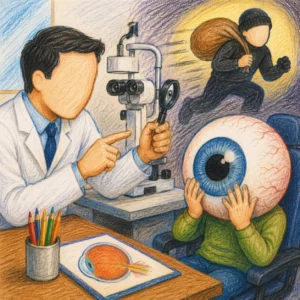
The challenge with Glaucoma is that it often develops silently. Most people experience no symptoms during the early stages. Vision loss usually begins at the edges of your visual field, making it difficult to notice until significant damage has already occurred. This is why Glaucoma is often called the “silent thief of sight.”
Fortunately, early detection and treatment can help slow or prevent further vision loss.
Related Image: Eye Examination for Glaucoma


1. Treat Your Eye Drops Like They Are Essential
If your ophthalmologist prescribed eye drops, they are likely the most important part of your treatment plan.
Most glaucoma medications work by:
- Reducing fluid production inside the eye
- Improving fluid drainage
- Lowering eye pressure
These actions help protect your optic nerve from additional damage. Prescription eye drops are often the first-line treatment for Glaucoma.
Tips for Success
Set Daily Reminders
Use smartphone alarms or calendar notifications.
Link Drops to Existing Habits
Apply them after brushing your teeth or before breakfast.
Learn Proper Technique
After applying drops, gently close your eyes and press the inner corner near your nose for about one minute. This helps the medication stay where it is needed.
Never Skip Without Approval
Even if your eyes feel normal, pressure can rise without noticeable symptoms.
Consistency is your greatest weapon against Glaucoma progression.
2. Feed Your Eyes the Right Nutrients
There is currently no food that can cure Glaucoma.
However, certain nutrients may support overall eye health and blood circulation to the optic nerve.
Load Up on Leafy Greens
Spinach, kale, arugula, and collard greens contain dietary nitrates that may support healthy blood vessel function.
Enjoy Colorful Berries
Blueberries, blackberries, and raspberries contain antioxidants that help combat oxidative stress.
Choose Healthy Fats
Foods rich in Omega-3 fatty acids include:
- Salmon
- Sardines
- Walnuts
- Chia seeds
- Flaxseeds
Stay Balanced
A healthy diet benefits not only your eyes but also your heart and blood vessels, which play an important role in delivering oxygen and nutrients to the optic nerve.


3. Exercise Regularly—but Smartly
Regular physical activity offers many health benefits and may help support healthy eye pressure levels.
Activities such as:
- Walking
- Cycling
- Swimming
- Light jogging
can be excellent choices.
Be Careful with Certain Movements
Some activities may temporarily increase eye pressure, including:
- Headstands
- Inverted yoga poses
- Heavy weightlifting with breath-holding
- Intense straining
If you exercise regularly, discuss your routine with your eye specialist and ask whether any modifications are recommended.
The goal is not to stop moving—it’s to move wisely.
4. Stop Chugging Large Amounts of Water
Many people are surprised to learn that drinking a large amount of water very quickly may temporarily increase eye pressure.
Instead of consuming a large bottle all at once:
Try This:
- Sip water steadily throughout the day
- Stay consistently hydrated
- Avoid sudden excessive fluid intake
Small changes in hydration habits can contribute to better overall eye health.
5. Improve Your Sleeping Position
Eye pressure naturally changes throughout the day and night.
Some studies suggest that sleeping completely flat may contribute to higher nighttime eye pressure in certain individuals.
Simple Adjustment
Try elevating your head slightly while sleeping by:
- Using an extra pillow
- Using a wedge pillow
- Raising the head of the bed slightly
Also avoid pressing your eyes directly against the pillow whenever possible.
These small adjustments may help reduce overnight pressure fluctuations.
6. Protect Your Eyes From Additional Damage
Your eyes deserve extra protection after a Glaucoma diagnosis.
Wear Sunglasses Outdoors
Choose sunglasses that block:
- 100% UVA rays
- 100% UVB rays
Use Safety Glasses
Protective eyewear is especially important during:
- Yard work
- Construction projects
- Home repairs
- Woodworking
- Chemical handling
Eye injuries can complicate existing eye conditions and increase risks.
Reduce Digital Eye Strain
Although screens do not cause Glaucoma, prolonged screen use can contribute to dryness and discomfort.
Follow the 20-20-20 rule:
Every 20 minutes:
- Look 20 feet away
- For at least 20 seconds


7. Never Miss Follow-Up Appointments
This may be the single most important habit after taking your medications.
Glaucoma requires ongoing monitoring because changes can occur without obvious symptoms.
Your eye doctor may regularly perform:
- Eye pressure measurements
- Visual field tests
- Optic nerve examinations
- Retinal imaging scans
These tests help determine whether your treatment plan is working effectively. Early treatment and regular monitoring are critical for preserving vision.
Warning Signs That Need Immediate Medical Attention
Certain symptoms may indicate an emergency, particularly with angle-closure glaucoma.
Seek urgent medical care if you experience:
- Severe eye pain
- Sudden vision loss
- Intense headache
- Nausea or vomiting
- Red eyes with blurred vision
- Halos around lights
Acute angle-closure glaucoma can become a medical emergency and requires immediate treatment.
Your Daily Glaucoma Action Plan
| Habit | Why It Matters |
|---|---|
| Use prescribed eye drops | Helps lower eye pressure |
| Attend follow-up visits | Tracks disease progression |
| Eat nutrient-rich foods | Supports overall eye health |
| Exercise regularly | Promotes healthy circulation |
| Stay hydrated gradually | Avoids sudden pressure changes |
| Sleep with slight elevation | May reduce nighttime pressure |
| Protect your eyes | Prevents additional injury |
| Wear sunglasses | Reduces UV-related stress |
The Bottom Line
A diagnosis of Glaucoma is serious, but it is not hopeless.
The reality is that many people maintain useful vision throughout their lives because they act early, follow treatment plans, and stay committed to regular eye care.
The most powerful thing you can do today is take your diagnosis seriously without letting fear take control.
Use your medications consistently.
Attend every follow-up appointment.
Adopt healthy daily habits.
Protect your eyes.
And most importantly, remember that catching Glaucoma early is one of the biggest advantages you can have. Early treatment can help slow disease progression and preserve vision.
Your eyesight is precious, and every positive step you take today can help protect it for years to come.
References
National Eye Institute – Glaucoma Overview
National Eye Institute – Facts About Glaucoma